How does aid actually reach people in a war zone?
From your donation to a family's hands: warehouses, crossings, local partners and cash. Why giving to organisations already on the ground matters.
When you donate to an emergency, what happens next? Getting food, water and medicine to people in a war zone is one of the hardest logistical jobs in the world. Understanding it explains why the choice of charity matters.
1. Money first, then supplies
Most of what charities need in an emergency is bought, not donated as goods. Money lets them buy food, medicine and shelter materials close to the crisis, which is faster, cheaper and supports local economies. Shipping second-hand clothes or tins from abroad usually costs more than the items are worth and can clog crossings that are needed for urgent supplies.
That is why aid agencies ask for money rather than goods, and why unrestricted donations, not tied to one project, help most: they can be spent wherever the need is greatest.
2. Pre-positioned stock and warehouses
Large agencies such as the World Food Programme and UNICEF keep stocks of food, medical kits and shelter materials in regional warehouses. When a crisis hits, they can move supplies within days rather than weeks.
3. Getting through: access and crossings
In conflict, the hardest part is often the last few kilometres. Trucks need permission to cross borders and front lines, routes must be safe, and agencies negotiate with all sides to be allowed through. Restrictions on items such as fuel or spare parts, checkpoints and attacks on convoys can delay or stop aid.
Humanitarian organisations work by four principles, humanity, neutrality, impartiality and independence, which allow them to negotiate access with all parties and to give aid based on need alone.
4. Local staff and partners
Most aid workers in a crisis are local: doctors, nurses, drivers and community workers from the affected country. International agencies often work through local organisations who know the area, speak the language and can reach places outsiders cannot. That is one reason established charities already working in a crisis can respond fastest.
5. Cash assistance
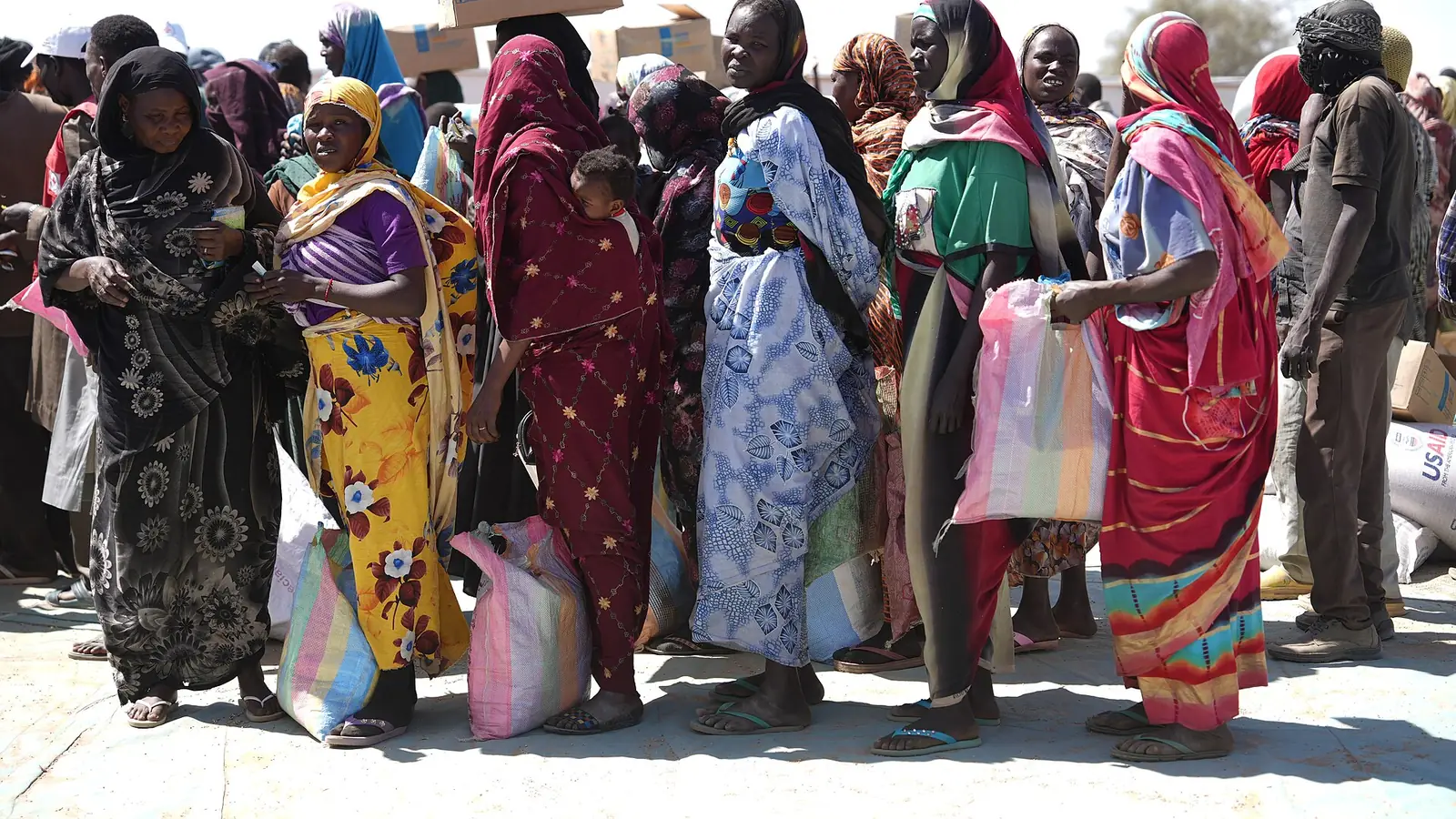
Where markets still work, many agencies give families cash or vouchers instead of food parcels. It lets people buy exactly what they need, keeps local shops running and is often quicker and cheaper to deliver. Agencies monitor distributions to make sure help reaches the people it is meant for.
6. Accountability
Reputable charities publish annual reports and accounts, are regulated in their home countries, and are audited. UN agencies report to their member states. Before giving, it is reasonable to check that an organisation does this.
What this means for your donation
- Give money, not goods.
- Give to organisations already working in the crisis, with staff and partners on the ground.
- Give unrestricted if you can.
Every charity we list on Nidaa meets these tests. Choose a crisis and a charity here.