Sudan: drought and war push Darfur and Kordofan towards famine
The IPC warns the risk of famine is growing in Sudan, as drought covers more than half the country and children in some camps are past the famine threshold.
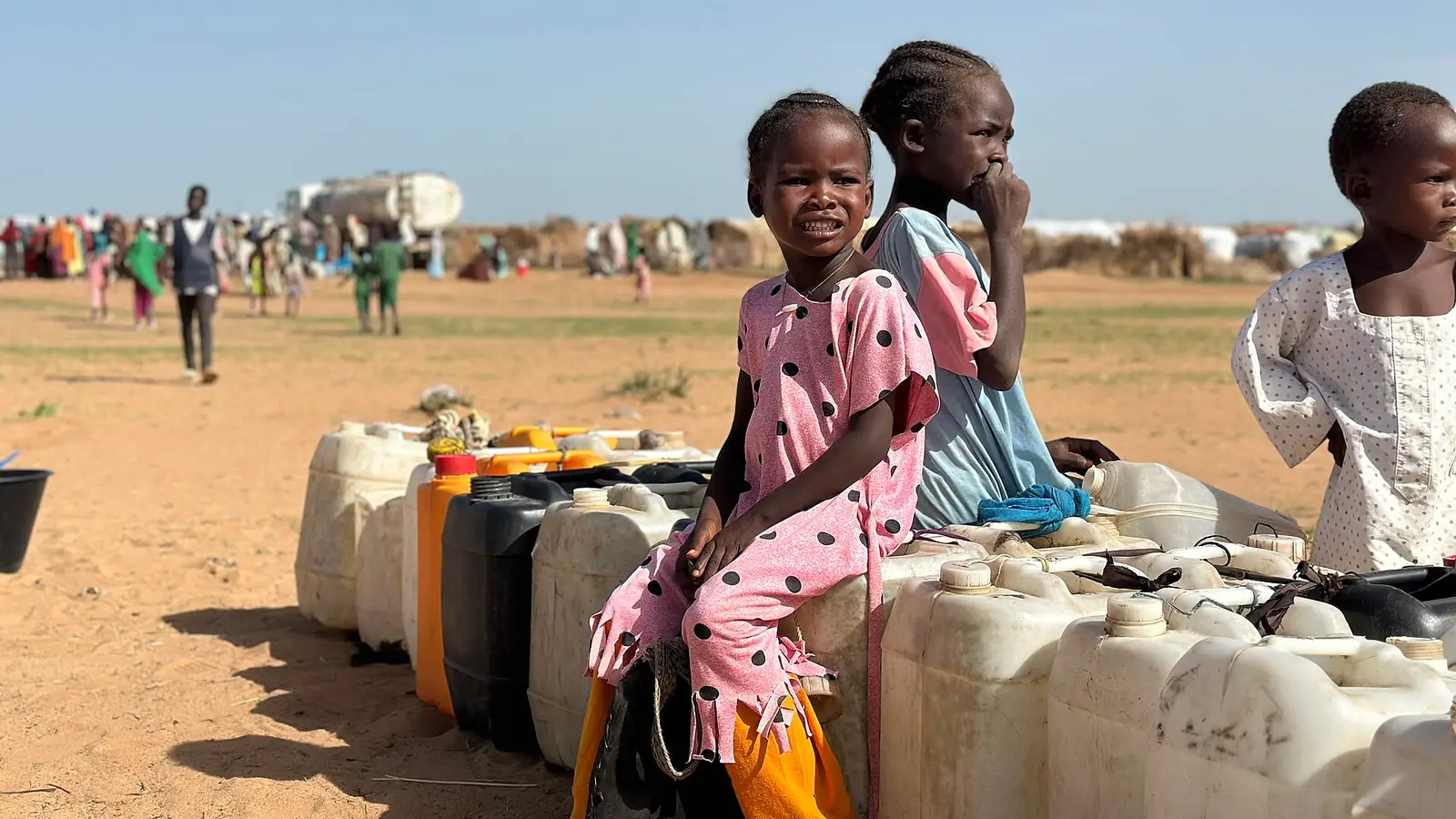
On 12 October 2026, the Integrated Food Security Phase Classification (IPC), the UN-backed system that measures hunger, warned that the risk of famine is growing in parts of Sudan already torn apart by war. Its Famine Review Committee called the situation “a humanitarian catastrophe, already of historic proportions.”
A drought on top of a war
The war between the Sudanese Armed Forces and the Rapid Support Forces has gone on since April 2023. Now drought covers more than half of Sudan, according to the IPC. In North Darfur, 64% of cropland shows poor plant growth. The rains came in late September, which the IPC said was too late to save most cereal crops, so it expects food prices to keep rising.
Famine has already been confirmed in Sudan twice: in Zamzam camp in August 2024, and in the cities of El Fasher and Kadugli in November 2025. In May 2026, nearly 19.5 million people, two in every five, faced crisis-level hunger or worse.
Children are already past the famine threshold
The clearest warning signs are in children:
- In two camps for displaced people in Eastern Jebel Marra, South Darfur, acute malnutrition among children was found at 38% and 30.8%, above the famine threshold.
- Across Greater Darfur, 13 of 17 nutrition surveys since January found critical levels of acute malnutrition.
- In Nyala, the share of children needing treatment for severe acute malnutrition more than doubled between January and August, from 5% to 11%.
- As of August, only 26% of the children expected to need hospital care for severe acute malnutrition had received it. The IPC warned that as many as two thirds could die without treatment.
Fighting blocks the food
Greater Kordofan, which the IPC calls the epicentre of the conflict, has seen more than 300,000 people forced from their homes since October 2025. Its markets were hit by more than 170 airstrikes, looting incidents or armed clashes this year. On 2 and 3 October, two trucks contracted by the World Food Programme came under fire, killing at least one person.
Health care is collapsing too. WHO reports that 37% of Sudan’s health facilities have stopped functioning, and it has verified 228 attacks on health care since April 2023, which led to 2,055 deaths.
What would help
The IPC is calling for an end to the fighting, safe and sustained access for aid, especially in North and West Kordofan, and large-scale, flexible funding. As of 8 October, less than half of the humanitarian appeal for Sudan had been funded.
Donations to organisations already working inside Sudan, such as the World Food Programme, MSF and UNICEF, reach families fastest. All of them are on our Sudan briefing.
Sources
- UN News: Sudan: Drought and war push Darfur and Kordofan towards famine (12 October 2026)
- WHO: IPC Sudan food insecurity and malnutrition alert (12 October 2026)
- FAO, WFP and UNICEF: Risk of famine persists as nearly 19.5 million people face acute food insecurity in Sudan (15 May 2026)
- IPC: Integrated Food Security Phase Classification