From El Fasher to Tawila: inside the world's largest displacement crisis
More than 11 million Sudanese have been forced from their homes. The families who fled El Fasher show what that number means.
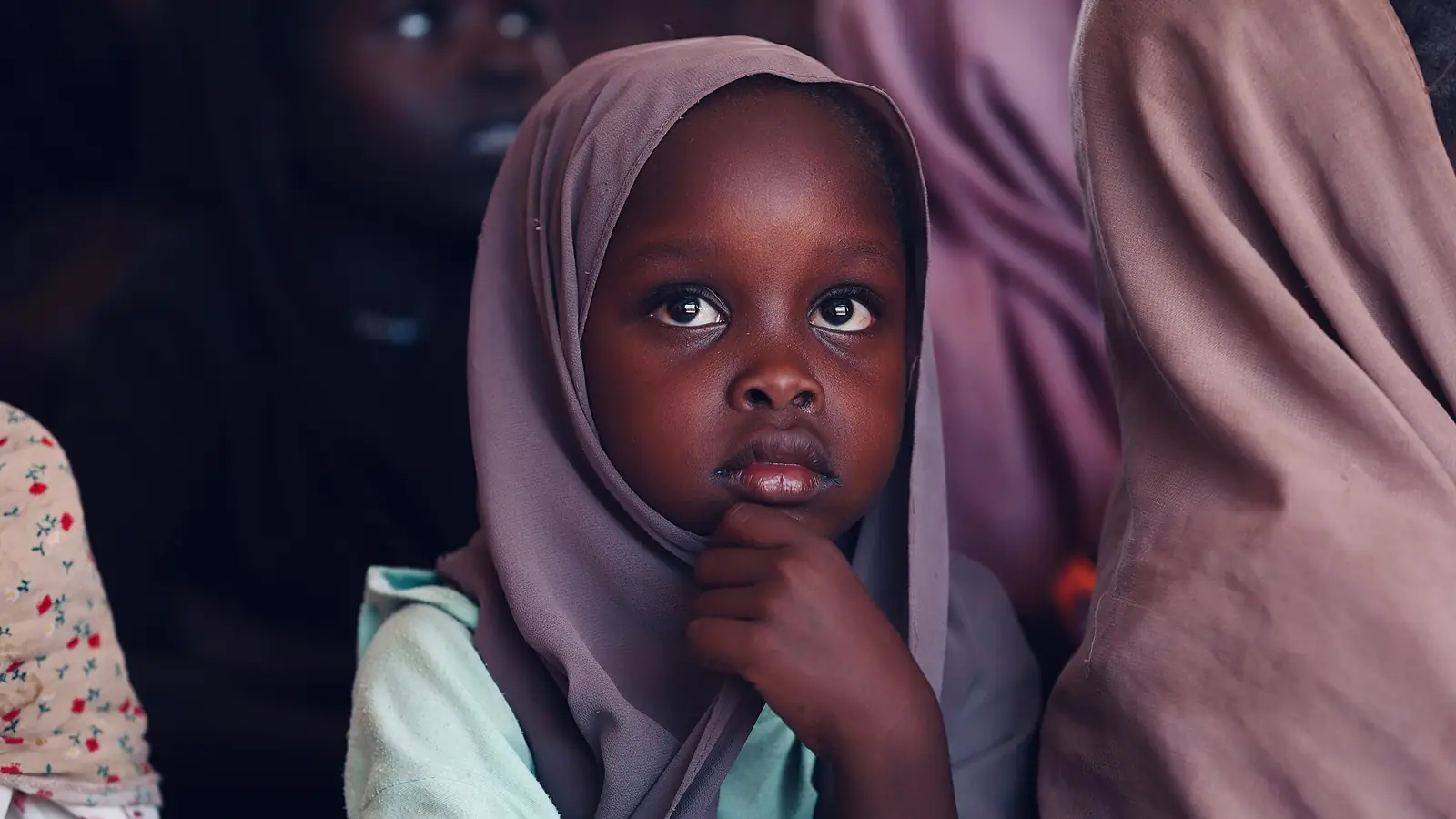
Numbers in Sudan are so large they can stop meaning anything. 33.7 million people need humanitarian help this year, according to the UN. More than 11 million have been forced from their homes, inside Sudan and across its borders, according to UNHCR. OCHA calls it the world’s largest internal displacement crisis.
Behind those numbers are families, many of them now living in the camps around Tawila, in North Darfur.
A city under siege
War between the Sudanese Armed Forces and the Rapid Support Forces (RSF) began in April 2023. In Darfur, the city of El Fasher became one of the worst places to be a civilian. For more than a year it was besieged: food, medicine and fuel ran short, and markets and hospitals came under attack.
Nearby, in Zamzam camp, famine was confirmed in August 2024, the first time a famine had been formally confirmed anywhere in the world in years.
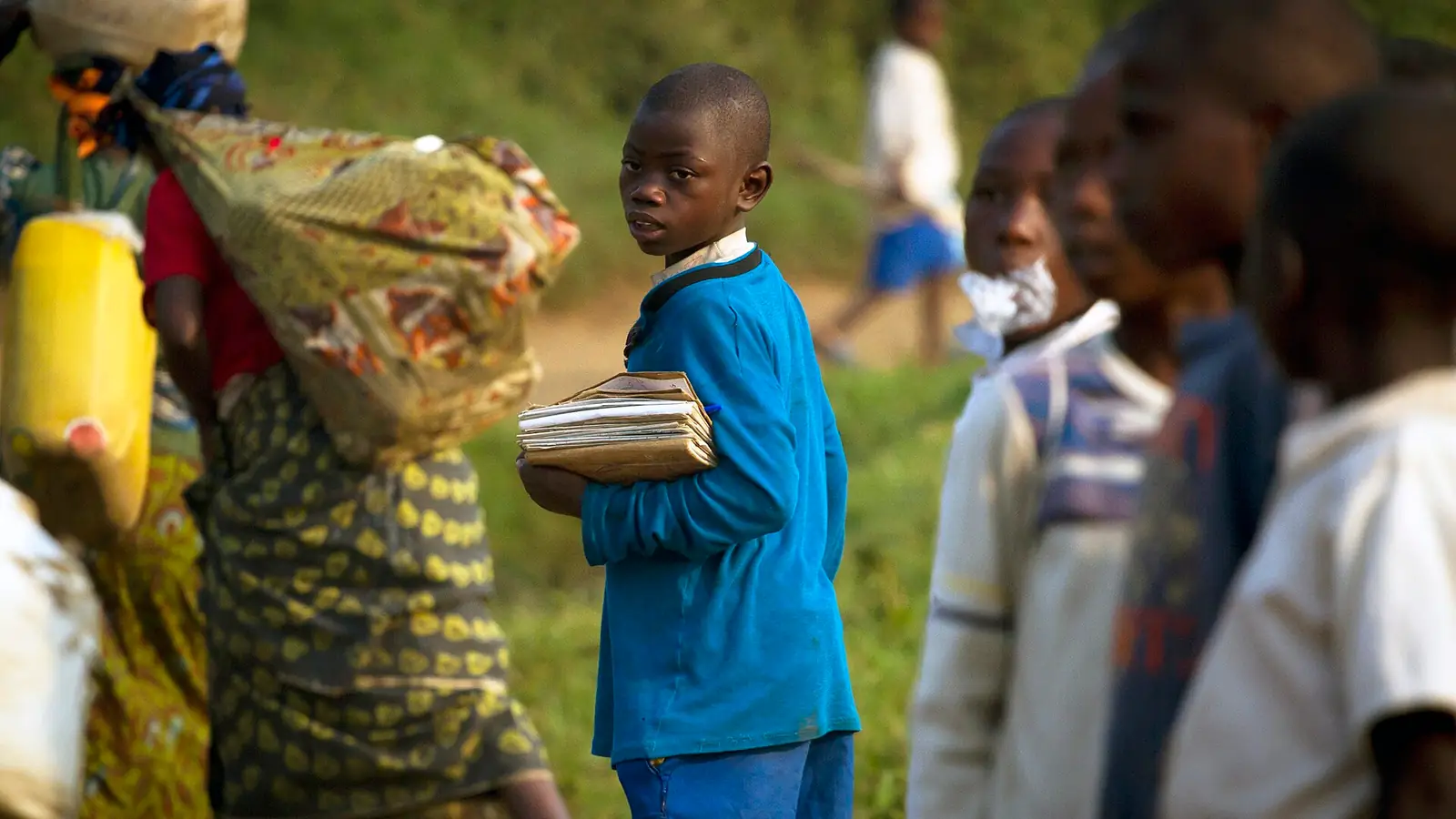
In October 2025, El Fasher fell to the RSF. Tens of thousands of people fled, many on foot, with whatever they could carry.
Tawila: a town that became a refuge
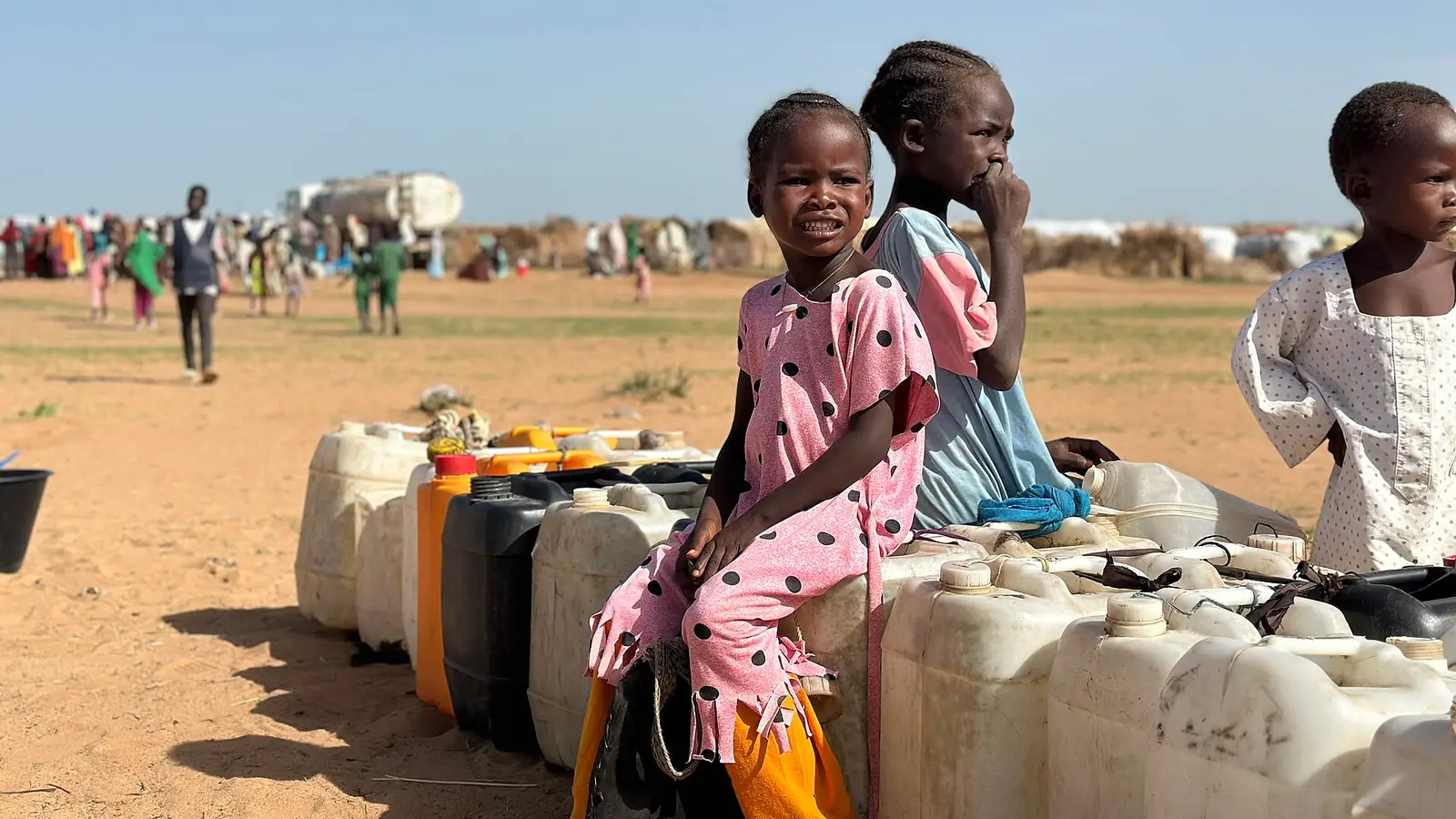
Many of those families walked west to Tawila. Camps such as Dabba Nayra grew quickly, filled with people who had lost homes, relatives and everything they owned. They arrived exhausted, often without food or water, needing shelter, medical care and protection.
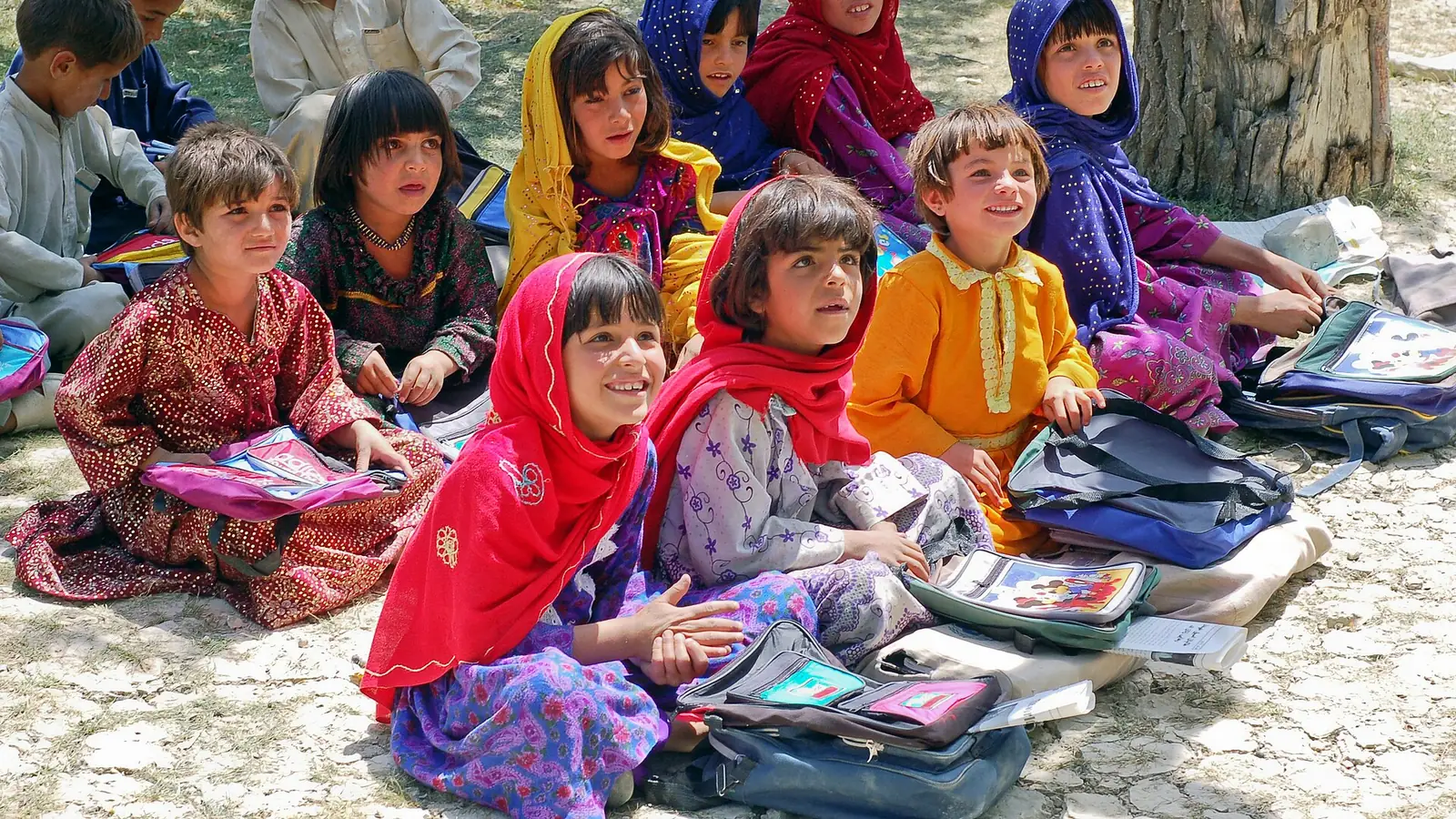
In those camps, aid groups have set up “child-friendly spaces” where children can play and feel like children again. That hope is real, and it is fragile.
Hunger and disease
Famine monitors expect the most severe level of food insecurity, Catastrophe, in displacement camps across Greater Darfur and Greater Kordofan. Much of Sudan’s health system has collapsed, so diseases spread quickly in crowded camps where clean water is scarce.
Women and girls face particular danger. UN agencies report widespread sexual violence throughout the conflict.
Aid that cannot get through
Getting help to people is extremely difficult. Fighting, sieges, restrictions and attacks on aid convoys block access to many areas. In October 2026, a drone strike hit a building sheltering displaced families in An Nuhud, West Kordofan.
The UN’s 2026 response plan for Sudan is badly underfunded. Agencies already working inside the country, with local staff and partners, are best placed to reach people when access opens.
How you can help
- World Food Programme delivers emergency food and cash where it can reach.
- Doctors Without Borders (MSF) runs hospitals and clinics in some of the hardest-hit areas.
- Sudanese American Physicians Association supports hospitals and medical supplies across Sudan.
All of them are on our Sudan briefing. Sudan receives far less attention than its scale demands; sharing its story helps bring the funding it needs.